I Felt Perfectly Healthy. My Data Said Otherwise.
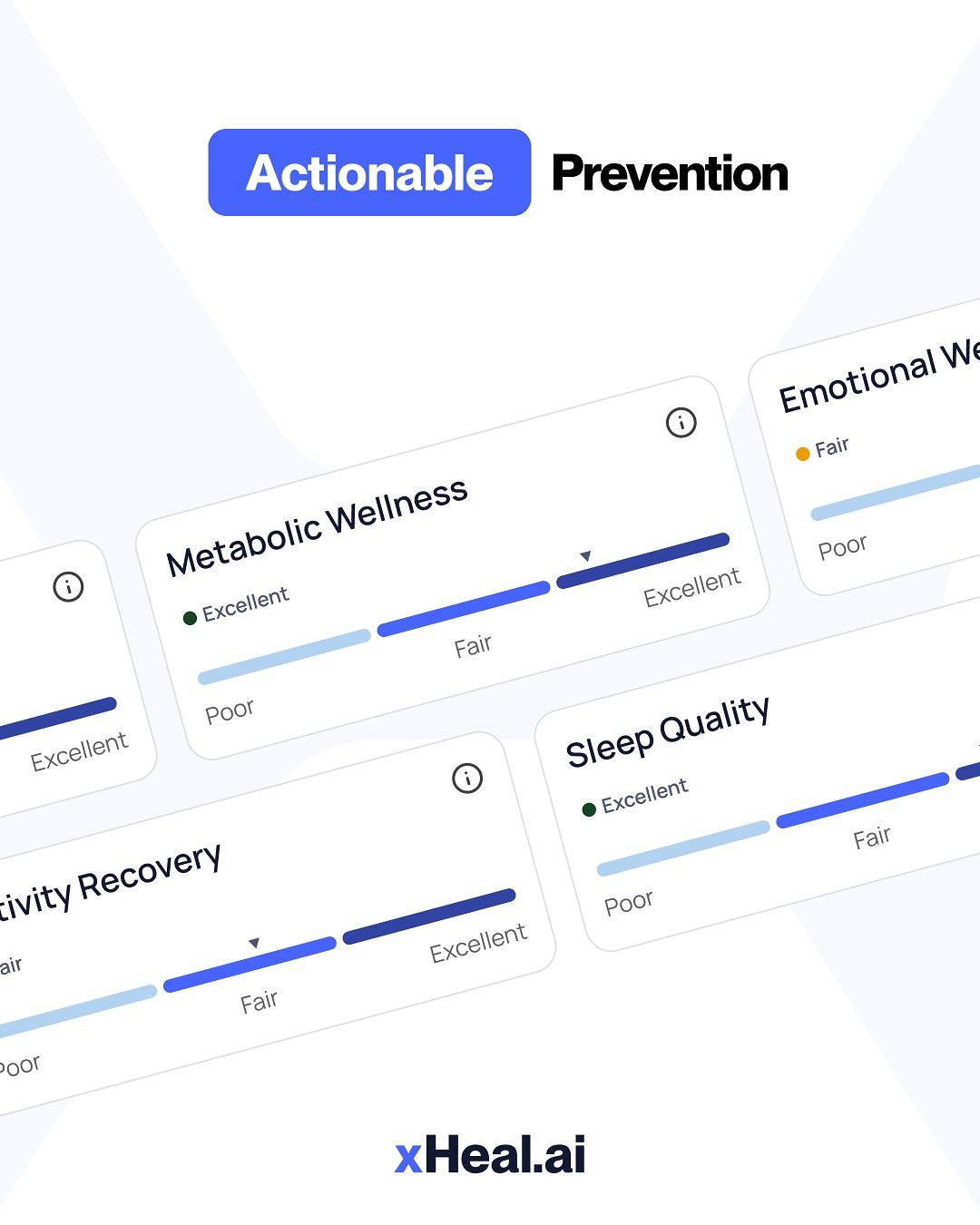

During beta testing of xHeal, I had no symptoms. No fatigue, no unusual thirst, no warning signs at all. I exercised regularly, ate well, and felt great. But when xHeal's Digital Twin analyzed my patterns across sleep, HRV, and activity data, it flagged something unexpected: subtle signals consistent with metabolic stress.
How data detected early insulin resistance before any symptoms
xHeal suggested I check my HOMA-IR levels, a marker for insulin resistance that isn't part of standard annual bloodwork. Most people have never heard of it. I hadn't either.
My results came back at 3.83. Anything above 2.5 indicates insulin resistance. I was well past the threshold, heading toward prediabetes, and had absolutely no idea.
Without xHeal's pattern detection connecting my wearable data to clinical markers, I might not have caught this for years. By then, the damage would have been much harder to reverse.
Building a personalized plan from health data
Instead of generic advice, xHeal created a personalized routine based on what my data actually showed. Three focus areas:
- Nutrition timing: Shifting my largest meal earlier in the day and adding a 20-minute post-meal walk. My glucose response data showed these meals were causing the biggest spikes.
- Exercise type: Replacing some cardio sessions with resistance training. My recovery data indicated I was doing too much steady-state cardio and not enough strength work.
- Stress management: My HRV data revealed that work stress on specific days correlated with worse metabolic markers the following morning. I added a 10-minute breathwork routine on those days.
12-week results: reversing early insulin resistance with data
My HOMA-IR dropped from 3.83 to 2.0, well within the healthy range. No medication. No dramatic lifestyle overhaul. Just informed, data-driven adjustments that fit into my existing routine.
The difference between knowing and not knowing was everything. A standard checkup would have missed this entirely. My regular blood panel showed nothing abnormal. It took xHeal connecting the dots across multiple data sources to surface a problem hiding in plain sight.
What early insulin resistance detection means for your health
Your body sends signals long before symptoms appear. The challenge is that no single data source tells the full story. Your Apple Watch sees your heart rate. Your lab work sees your blood markers. Your daily logs capture your stress and diet. But nothing connects them, until now.
That's what a Digital Twin does. It holds your complete health picture and spots patterns that would take years to notice on your own.
Frequently asked questions
What is early insulin resistance and how is it detected?
Early insulin resistance means your cells are becoming less responsive to insulin, requiring your pancreas to produce more to achieve the same effect. It's detectable via the HOMA-IR index, a calculation from fasting insulin and fasting glucose. HOMA-IR above 2.5 indicates insulin resistance. Importantly, fasting glucose alone (the standard panel marker) can appear completely normal while HOMA-IR is already elevated, which is why this condition is so often missed for years.
Can insulin resistance be reversed without medication?
For early-stage insulin resistance (before prediabetes or diabetes develops), lifestyle interventions have strong evidence for reversal. The most effective approaches are resistance training (which increases muscle glucose uptake), reducing refined carbohydrate intake, improving sleep quality, managing chronic stress (which elevates cortisol and worsens insulin sensitivity), and meal timing adjustments. The earlier it's caught, the more reversible it is, which is the core argument for testing HOMA-IR before symptoms appear.
How can wearable data connect to metabolic health?
HRV trends, post-meal heart rate patterns, resting heart rate elevation, and sleep architecture disruptions are all correlates of metabolic stress that show up in wearable data. While no wearable directly measures insulin or glucose, these indirect signals can flag that something metabolic deserves investigation, which is how xHeal's pattern detection flagged insulin resistance before any lab test had been run.
Medical disclaimer: This content is for informational purposes only and does not constitute medical advice. Always consult your healthcare provider before making changes to your health routine, medications, or treatment plan. xHeal is a health tracking and awareness tool, not a diagnostic or treatment platform.

3x CEO and co-founder of xHeal. After a 4-year personal health crisis, he built xHeal to help people understand their health data before symptoms appear. xHeal AI validated against 5,000+ patients.
View full bio →Your health data tells a story. xHeal connects the chapters.
Connect your wearables, lab results, and medical records into one intelligent platform. Free to download.

 HIPAA
HIPAA GDPR
GDPRKeep reading
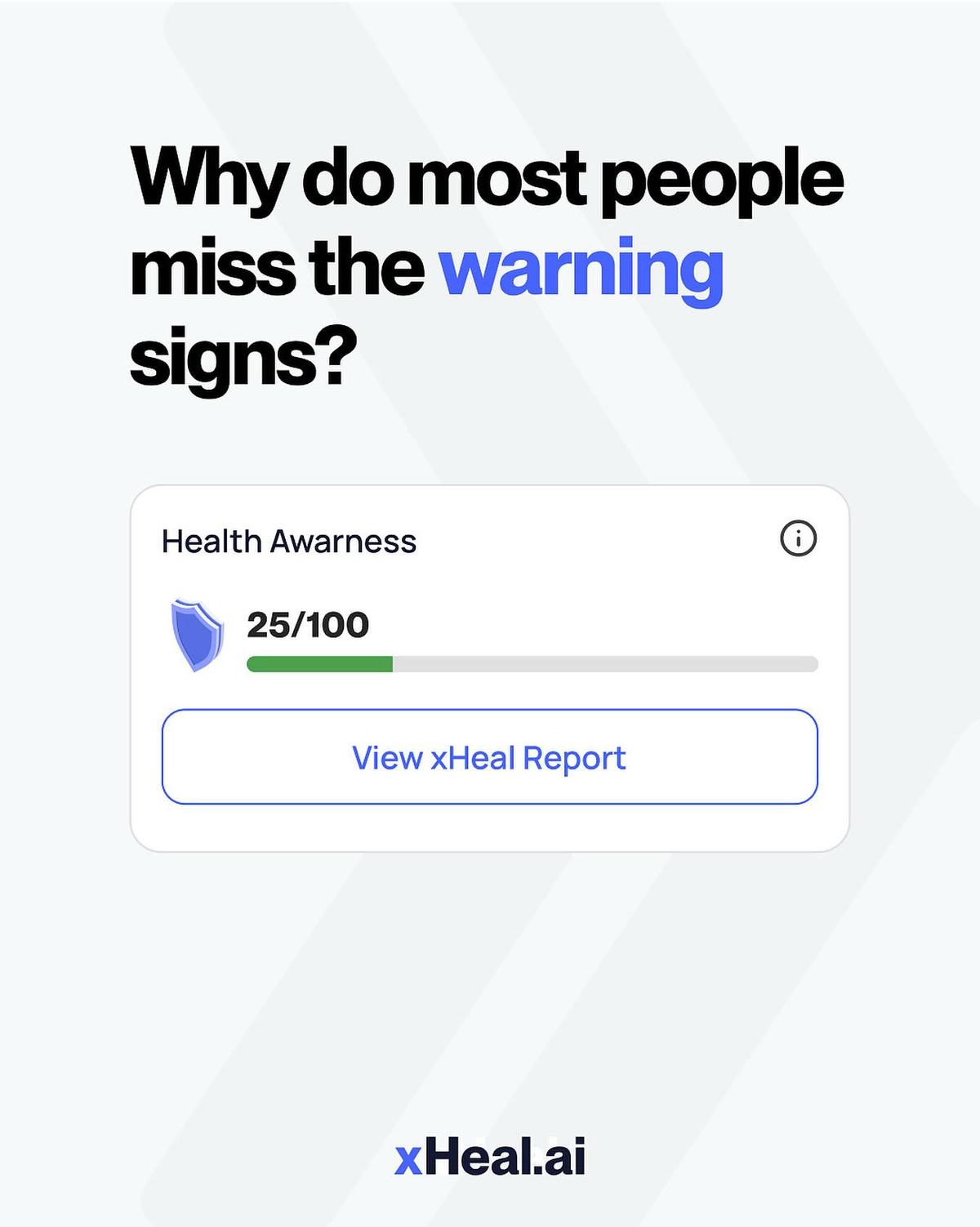
The Lab Tests My Doctor Never Ordered (And Why They Changed Everything)
How xHeal analyzed my symptoms and lifestyle data to recommend specific tests beyond standard panels, revealing a health story my routine bloodwork completely missed.
 Trifon Getsov·Nov 02, 2025
Signs a Flare-Up Is Coming: What Your Body Shows 48 Hours Before
Your body sends warning signals days before symptoms hit. Here's what the research says about early detection, and how connecting your data can help you prepare.
Trifon Getsov·Feb 20, 2026
5 Hidden Flare-Up Triggers You're Probably Not Tracking (But Should Be)
The triggers behind your worst days aren't always obvious. These five commonly overlooked factors could be driving your symptoms without you realizing it.
Trifon Getsov·Feb 17, 2026