Signs a Flare-Up Is Coming: What Your Body Shows 48 Hours Before


If you live with a chronic condition, you know the feeling. One day you're fine. The next, you're in the middle of a flare-up wondering what went wrong. But here's what most people don't realize: your body was sending signals 24 to 48 hours before you felt anything.
How wearables detect flare-up warning signs 48 hours early
Research published in the Journal of Medical Internet Research found that wearable data can detect physiological changes up to 48 hours before symptom onset in conditions ranging from Crohn's disease to rheumatoid arthritis. The signals are subtle, too subtle to feel, but measurable:
- Heart rate variability (HRV) drops 3-7% before an inflammatory flare
- Resting heart rate increases by 2-5 BPM as the immune system ramps up
- Sleep efficiency decreases even when total sleep time stays the same
- Skin temperature shifts by fractions of a degree
- Activity patterns change as fatigue sets in before conscious awareness
Individually, none of these changes would raise an alarm. Together, they form a pattern that's remarkably consistent.
Why most people miss early flare-up warning signs
The problem isn't a lack of data. Your Apple Watch, your sleep tracker, and your symptom logs all capture pieces of the puzzle. The problem is that no single device or app connects them.
Your watch sees your HRV dropped. Your sleep app sees restless sleep. Your symptom log shows nothing because you feel fine. Without cross-referencing these signals, the warning goes unnoticed.
How connecting your health data reveals hidden patterns
When you connect all your health data into one system, patterns emerge that would be invisible otherwise. For example:
- A drop in HRV combined with decreased sleep efficiency and increased resting heart rate might indicate an incoming flare with 70-80% accuracy
- Stress markers rising alongside specific food log entries might reveal triggers unique to your body
- Seasonal barometric pressure changes correlated with your symptom history can predict weather-related flares
From reactive to preventive: what to do with early warning data
Catching a flare-up 48 hours early doesn't prevent it entirely, but it transforms your response. Instead of being blindsided, you can:
- Adjust your schedule to include more rest
- Avoid known dietary triggers during vulnerable periods
- Increase anti-inflammatory protocols (with your care team's guidance)
- Notify your specialist before symptoms escalate
- Reduce physical strain to support your immune system
The difference between reacting to a flare-up and preparing for one is the difference between losing a week and losing a day.
How to start tracking flare-up warning signs today
Even before adopting any new tools, you can improve your early detection by consistently tracking three things: sleep quality (not just duration), daily stress levels, and any subtle changes in energy or appetite. These are often the first dominos to fall.
The more data points you connect, the earlier the warning comes. And in chronic condition management, early warning is everything.
Frequently asked questions
Can wearables actually predict flare-ups before symptoms appear?
Yes: research published in the Journal of Medical Internet Research found that wearable data can detect physiological changes up to 48 hours before symptom onset in conditions including Crohn's disease and rheumatoid arthritis. The signal comes from a combination of metrics (HRV drop, elevated resting heart rate, reduced sleep efficiency) trending together, not any single number in isolation.
What metrics should I track to detect an incoming flare-up?
The five most predictive signals are: heart rate variability (a drop of 3–7% from your baseline), resting heart rate (an increase of 2–5 BPM), sleep efficiency (not total sleep duration, but percentage of time in restorative stages), skin temperature (small shifts measurable by some wearables), and subtle changes in activity level driven by pre-symptomatic fatigue.
How far in advance can a flare-up be predicted?
Current research points to a 24–48 hour early warning window for many inflammatory and autoimmune conditions. The exact lead time depends on your condition, how long you've been tracking your baseline, and how many data sources are being cross-referenced. Some individuals see consistent 72-hour patterns with enough historical data.
What should I do when my data shows early warning signs?
Use the window to reduce physical strain, adjust your schedule to allow more rest, avoid your known dietary triggers, and if you have a care team protocol for flare management, initiate it early. The goal isn't to prevent every flare. It's to meet it prepared rather than blindsided, which significantly reduces severity and recovery time for most people.
Medical disclaimer: This content is for informational purposes only and does not constitute medical advice. Always consult your healthcare provider before making changes to your health routine, medications, or treatment plan. xHeal is a health tracking and awareness tool, not a diagnostic or treatment platform.

3x CEO and co-founder of xHeal. After a 4-year personal health crisis, he built xHeal to help people understand their health data before symptoms appear. xHeal AI validated against 5,000+ patients.
View full bio →Your health data tells a story. xHeal connects the chapters.
Connect your wearables, lab results, and medical records into one intelligent platform. Free to download.

 HIPAA
HIPAA GDPR
GDPRKeep reading
I Felt Perfectly Healthy. My Data Said Otherwise.
How xHeal's pattern detection caught early insulin resistance before symptoms appeared, and the simple 12-week routine that reversed it.
 Trifon Getsov·Nov 02, 2025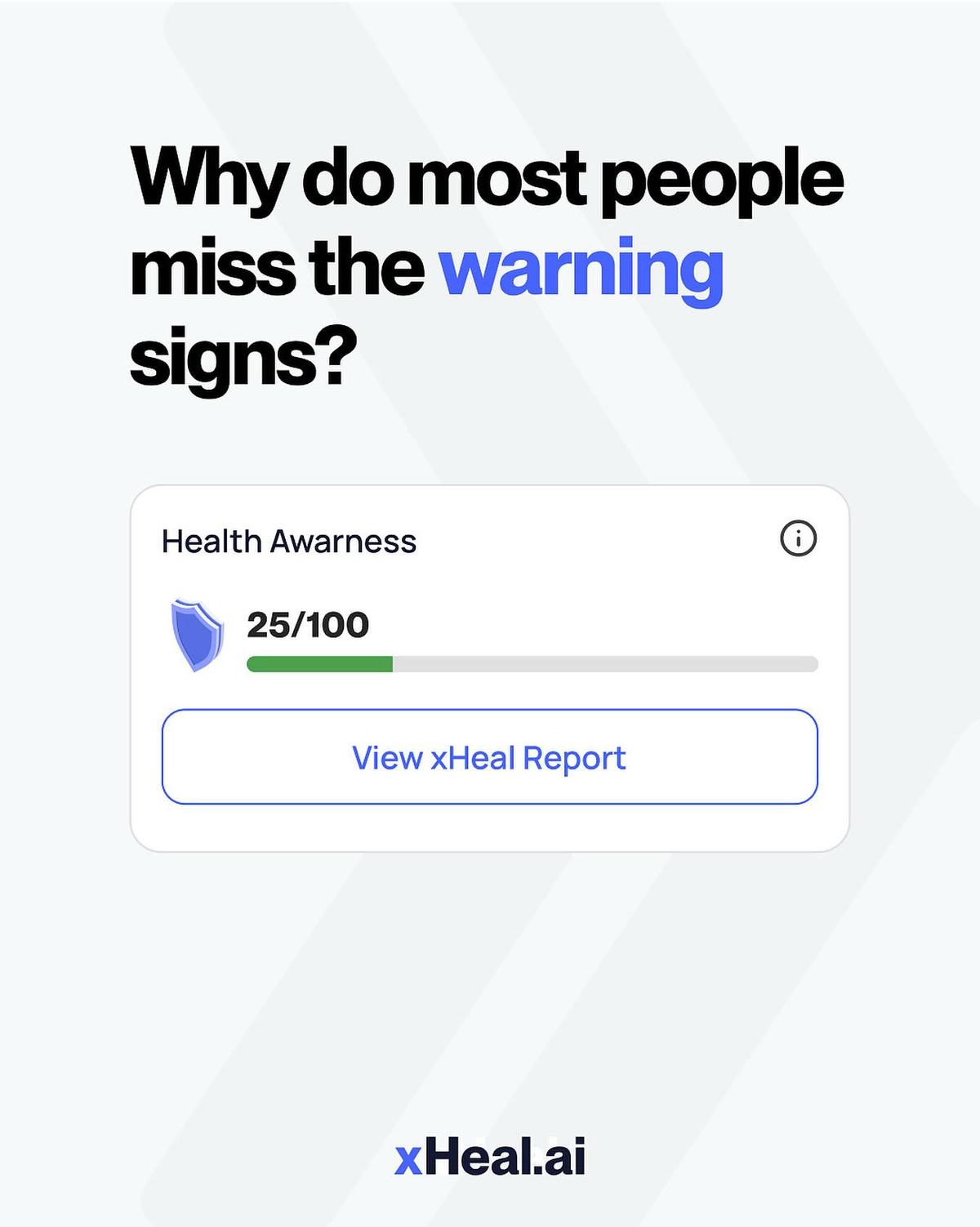
The Lab Tests My Doctor Never Ordered (And Why They Changed Everything)
How xHeal analyzed my symptoms and lifestyle data to recommend specific tests beyond standard panels, revealing a health story my routine bloodwork completely missed.
Trifon Getsov·Nov 02, 2025
5 Hidden Flare-Up Triggers You're Probably Not Tracking (But Should Be)
The triggers behind your worst days aren't always obvious. These five commonly overlooked factors could be driving your symptoms without you realizing it.
Trifon Getsov·Feb 17, 2026