6 Lab Tests Your Annual Checkup Misses (And Why They Matter)
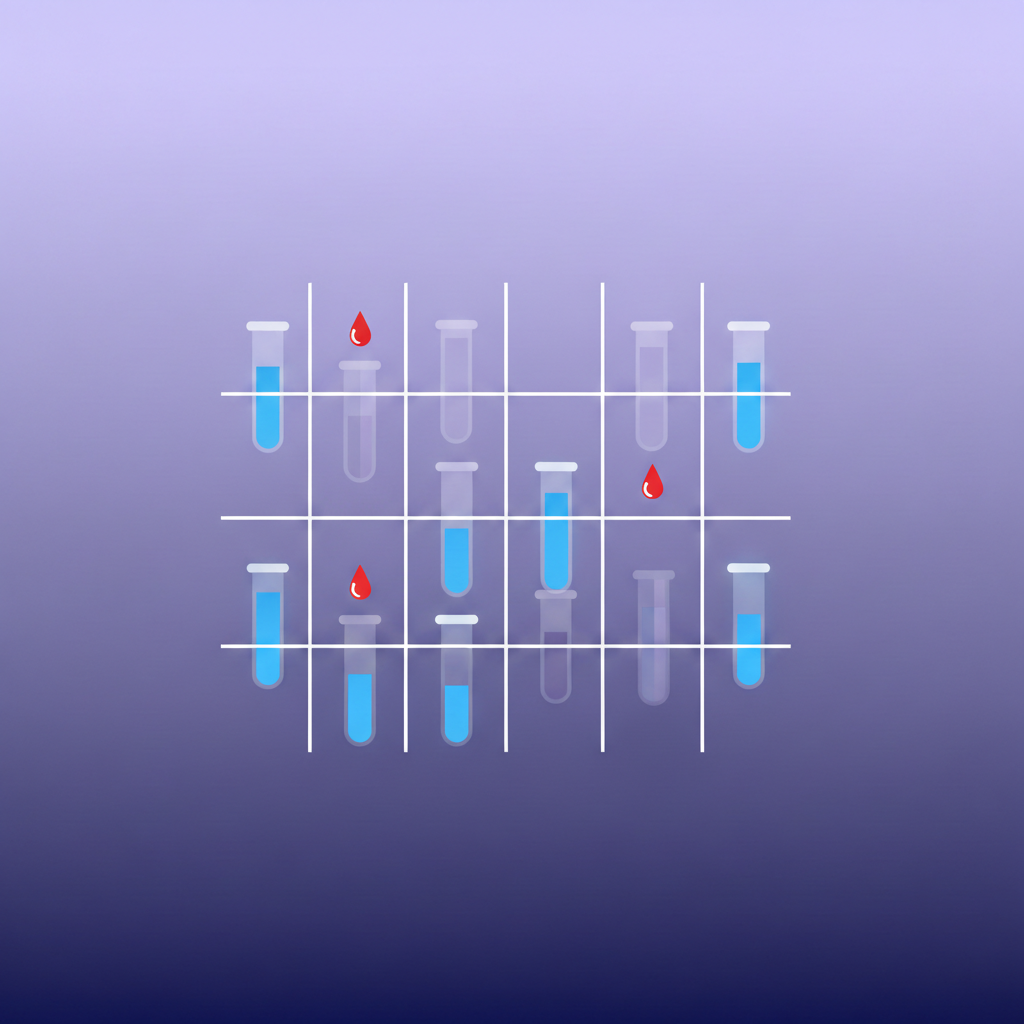

You get your annual bloodwork done. The results come back "normal." Your doctor says you're healthy. But "normal" on a standard panel only means none of the 15-20 markers tested crossed a threshold designed to catch acute disease.
It doesn't mean everything is optimal. It doesn't mean trends are heading in the right direction. And it definitely doesn't mean there aren't important markers going entirely unchecked.
What your standard blood panel actually tests (and what it misses)
A typical annual bloodwork panel includes: complete blood count (CBC), basic or comprehensive metabolic panel (BMP/CMP), lipid panel, and sometimes TSH for thyroid. These tests are designed to screen for common conditions at low cost. They're good at catching diabetes (after it develops), kidney disease, liver problems, and severe thyroid dysfunction.
What they're not designed for: early-stage metabolic changes, subclinical inflammation, nutrient optimization, or hormonal trends.
6 blood tests your doctor rarely orders (but should)
1. HOMA-IR (Insulin Resistance Index)
Calculated from fasting insulin and glucose, HOMA-IR can detect insulin resistance years before fasting glucose becomes abnormal. Standard panels check glucose. They rarely check insulin. By the time glucose is elevated, you're often already prediabetic.
2. High-sensitivity CRP (hs-CRP)
Standard CRP tests detect acute inflammation (infection, injury). hs-CRP detects chronic, low-grade inflammation, the kind associated with cardiovascular risk, autoimmune conditions, and metabolic dysfunction. It's the difference between checking if your house is on fire versus checking if there's smoke in the walls.
3. Ferritin
Standard panels might check serum iron, but ferritin (iron storage) is often skipped. You can have normal serum iron with depleted ferritin stores. Symptoms: fatigue, brain fog, poor recovery, hair loss. Ferritin below 30 ng/mL causes symptoms in many people despite being "in range" on lab reports.
4. Vitamin D, 25-Hydroxy
Vitamin D deficiency affects an estimated 42% of American adults and is linked to immune dysfunction, mood disorders, bone health, and inflammatory conditions. Most annual panels don't include it unless specifically requested.
5. Thyroid antibodies (TPO-Ab, TG-Ab)
Standard thyroid screening checks TSH and sometimes free T4. But thyroid antibodies can be elevated for years before TSH becomes abnormal. Hashimoto's thyroiditis, the most common autoimmune condition, is often caught late because standard screening misses the autoimmune component entirely.
6. Hemoglobin A1c
While sometimes included in annual panels, A1c is often only ordered if fasting glucose is already elevated. But A1c reflects your average blood sugar over 90 days, catching glucose variability that a single fasting measurement misses. You can have a perfect fasting glucose and a concerning A1c.
Why lab trends matter more than a single test result
A single lab result is a snapshot. A series of results over time is a story. A ferritin of 35 is "normal." But ferritin that dropped from 80 to 35 over 12 months is a trend that deserves attention, even though the current number doesn't trigger any lab flag.
This is why having your lab results organized chronologically and tracked over time changes the conversation with your doctor. Instead of "everything looks normal," the discussion becomes "this marker has been declining steadily, should we investigate why?"
Frequently asked questions
What blood tests does a standard annual checkup usually miss?
Standard annual panels typically include CBC, basic metabolic panel, lipid panel, and sometimes TSH. They usually omit: HOMA-IR (insulin resistance), high-sensitivity CRP (chronic inflammation), ferritin (iron storage), Vitamin D 25-Hydroxy, thyroid antibodies (TPO-Ab, TG-Ab), and Hemoglobin A1c unless fasting glucose is already elevated. These omitted tests often catch the early-stage conditions that standard panels are designed to miss.
How do I ask my doctor for additional lab tests?
Frame it around symptoms or risk factors rather than just curiosity. For example: "I've been noticing fatigue and poor recovery; could we check ferritin and Vitamin D?" or "Given my family history of diabetes, can we add HOMA-IR to my annual panel?" Bringing a concrete symptom or risk factor makes it much easier for your doctor to justify the order. Many of these tests cost under $30 out-of-pocket even without insurance coverage.
What does "normal" on a lab report actually mean?
"Normal" on a lab report means your result falls within the reference range, a statistical range derived from a large population sample. It does not mean optimal, and it does not account for your personal trend. A ferritin of 32 ng/mL is "normal" by most lab standards but causes fatigue in many people. A ferritin that dropped from 85 to 32 over 18 months deserves investigation even if the current number is technically in range.
How early can HOMA-IR detect insulin resistance before diabetes?
HOMA-IR can detect insulin resistance years before fasting glucose becomes abnormal. Fasting glucose typically stays within normal range until the pancreas can no longer compensate, which can be a decade or more after insulin resistance begins. HOMA-IR catches the compensatory insulin elevation that precedes glucose elevation, giving you a much earlier window for lifestyle intervention.
Medical disclaimer: This content is for informational purposes only and does not constitute medical advice. Always consult your healthcare provider before making changes to your health routine, medications, or treatment plan. xHeal is a health tracking and awareness tool, not a diagnostic or treatment platform.

3x CEO and co-founder of xHeal. After a 4-year personal health crisis, he built xHeal to help people understand their health data before symptoms appear. xHeal AI validated against 5,000+ patients.
View full bio →Your health data tells a story. xHeal connects the chapters.
Connect your wearables, lab results, and medical records into one intelligent platform. Free to download.

 HIPAA
HIPAA GDPR
GDPRKeep reading
I Felt Perfectly Healthy. My Data Said Otherwise.
How xHeal's pattern detection caught early insulin resistance before symptoms appeared, and the simple 12-week routine that reversed it.
 Trifon Getsov·Nov 02, 2025
The Lab Tests My Doctor Never Ordered (And Why They Changed Everything)
How xHeal analyzed my symptoms and lifestyle data to recommend specific tests beyond standard panels, revealing a health story my routine bloodwork completely missed.
Trifon Getsov·Nov 02, 2025
Signs a Flare-Up Is Coming: What Your Body Shows 48 Hours Before
Your body sends warning signals days before symptoms hit. Here's what the research says about early detection, and how connecting your data can help you prepare.
Trifon Getsov·Feb 20, 2026