How to Organize Medical Records from Multiple Hospitals: A Complete Guide


I've lived in three states in the past decade. My primary care has changed twice. I've seen specialists in different hospital systems. And every time I start with a new provider, the same conversation happens: "Can you tell me your medical history?"
I try my best. I remember the big things. I forget the details. Dates blur together. Medication names get jumbled. And the new doctor gets a partial, probably inaccurate picture of my health history.
The problem with scattered medical records nobody talks about
Your medical records exist. They're just scattered across hospital portals, PDF downloads, fax machines, and filing cabinets. Each provider has their piece of the puzzle, and none of them can see anyone else's piece.
This isn't just inconvenient. It's a patient safety issue. Duplicated tests waste money. Missed history leads to incomplete diagnosis. Medication interactions go unnoticed because the prescribing doctor doesn't know what another provider prescribed.
How to consolidate medical records from multiple hospitals
When I set up xHeal, the process was simpler than I expected:
- MyChart by Epic connected instantly. Two hospital systems synced their records in under a minute.
- Lab PDFs from my previous provider were on my phone (I'd downloaded them months ago). I uploaded them directly.
- Apple Health synced years of wearable data, vitals, and activity history automatically.
- Photos of old documents (a prescription from 2019, a specialist letter from 2021) were captured by pointing my camera at the papers.
Total time: about 10 minutes. The result: a single chronological timeline with everything from my last five years of healthcare in one searchable place.
How complete medical records change your doctor appointments
My next specialist appointment was different. Instead of verbally recounting my history and hoping I didn't forget anything, I pulled up my xHeal timeline. The doctor could see: every lab result chronologically, all medications with start and end dates, surgical history, imaging results, and how my daily health data correlated with clinical events.
She spent less time gathering history and more time analyzing it. The appointment was more productive than any I'd had before.
Why searchable medical records save time at every appointment
Having records isn't enough if you can't find what you need. When my allergist asked about a specific blood test from 2023, I found it in five seconds by searching. When my new GP asked about medication history, every prescription was listed with dates. When I needed vaccination records for travel, they were all in one place.
It sounds simple because it should be simple. Your health history is yours. Having it organized, accessible, and complete shouldn't require calling four hospitals and waiting six weeks for faxed records.
Frequently asked questions
How do I get medical records from multiple hospitals?
Start with patient portals: most major hospital systems use Epic (MyChart), Cerner, or Athena, and records are accessible immediately after creating an account. For hospitals without portals, submit a written HIPAA-compliant records request to their medical records department; they are legally required to provide your records within 30 days. For older records, calling the medical records department directly is often faster than written requests. Apps that connect to Apple Health or CommonHealth can pull records from connected providers automatically.
What is the best way to organize medical records at home?
Chronological organization works best for medical records, sorted by date, not by provider or type. Group lab results together, imaging together, and specialist letters together within each time period. The goal is to be able to answer "what was happening in March 2024?" quickly. Digital storage (either a health app or a structured folder system with PDFs) is far more practical than physical files, especially when you need to share records at appointments.
Why do doctors need my old medical records?
New providers need context that current symptoms alone can't provide: what has already been tried, what tests have been run, what the results were, and how your condition has evolved over time. Without this, doctors often repeat tests unnecessarily, miss important history, or make treatment decisions without full information. Duplicated tests are estimated to cost the US healthcare system billions annually, and the patient bears the inconvenience and cost of those repeats.
Medical disclaimer: This content is for informational purposes only and does not constitute medical advice. Always consult your healthcare provider before making changes to your health routine, medications, or treatment plan. xHeal is a health tracking and awareness tool, not a diagnostic or treatment platform.

3x CEO and co-founder of xHeal. After a 4-year personal health crisis, he built xHeal to help people understand their health data before symptoms appear. xHeal AI validated against 5,000+ patients.
View full bio →Your health data tells a story. xHeal connects the chapters.
Connect your wearables, lab results, and medical records into one intelligent platform. Free to download.

 HIPAA
HIPAA GDPR
GDPRKeep reading
I Felt Perfectly Healthy. My Data Said Otherwise.
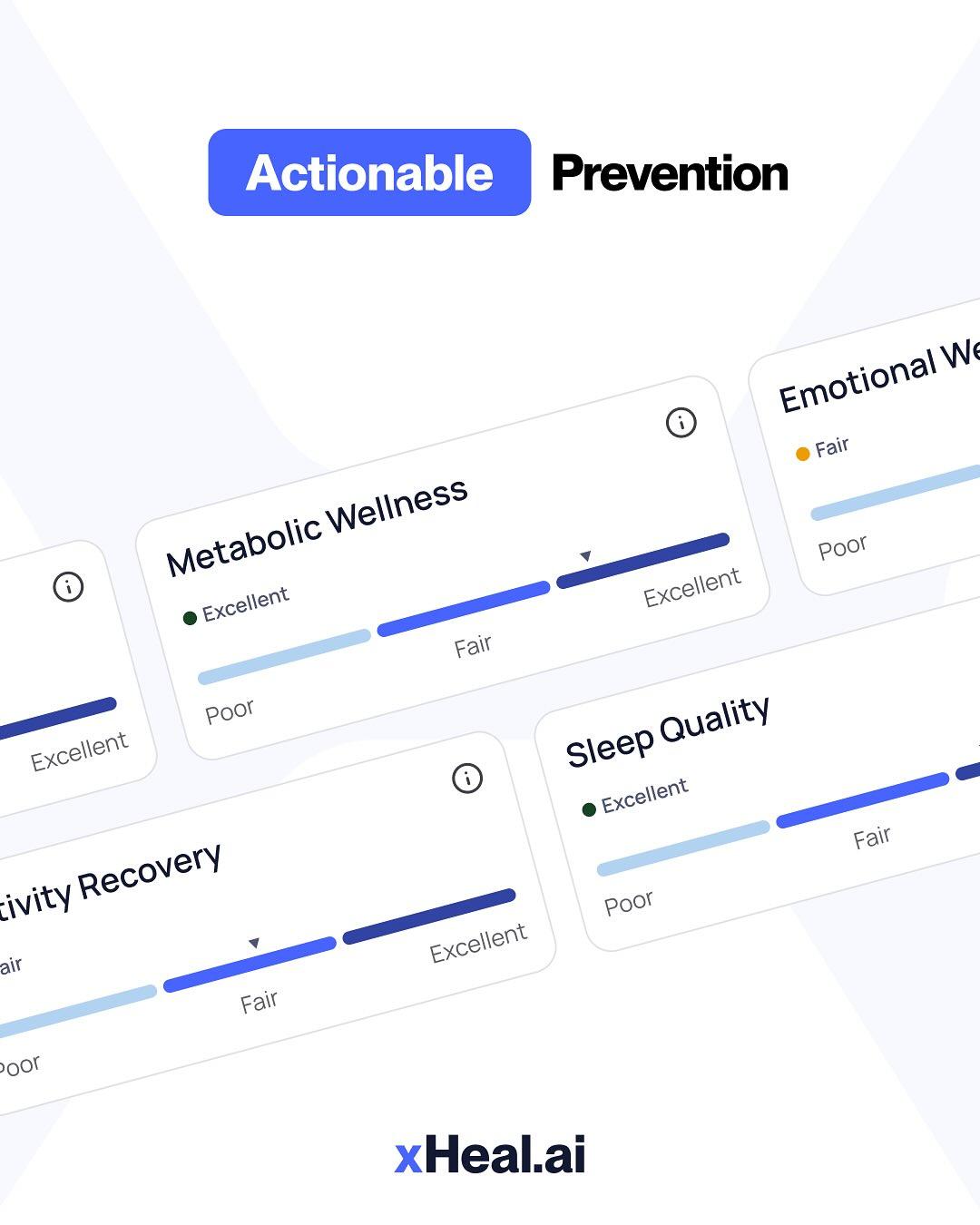
How xHeal's pattern detection caught early insulin resistance before symptoms appeared, and the simple 12-week routine that reversed it.
 Trifon Getsov·Nov 02, 2025
The Lab Tests My Doctor Never Ordered (And Why They Changed Everything)
How xHeal analyzed my symptoms and lifestyle data to recommend specific tests beyond standard panels, revealing a health story my routine bloodwork completely missed.
Trifon Getsov·Nov 02, 2025
Signs a Flare-Up Is Coming: What Your Body Shows 48 Hours Before
Your body sends warning signals days before symptoms hit. Here's what the research says about early detection, and how connecting your data can help you prepare.
Trifon Getsov·Feb 20, 2026