Flare-Up Awareness: 10 Helpful Updates for Day-to-Day Health


Staying on top of your health means being aware of the latest developments that could affect your day-to-day wellbeing. Here are ten practical updates to help you spot, prevent, and manage health flare-ups.
1. Wearable signals can predict flare-ups earlier
Recent studies show that subtle changes in heart rate variability (HRV), skin temperature, and sleep patterns detected by wearables can signal an approaching flare-up 24 to 48 hours before symptoms appear. The key isn't any single metric but the combination of multiple signals trending in the same direction simultaneously.
2. Gut health remains central to inflammation management
New research continues to confirm the gut-inflammation connection. Maintaining microbiome diversity through varied fiber intake and fermented foods remains one of the most effective preventive strategies. A study published in Nature Medicine found that gut microbiome diversity correlated with reduced flare-up frequency across multiple autoimmune conditions.
3. Stress management is measurable, not just something you feel
Chronic stress elevates cortisol, which directly triggers inflammatory cascades. Even 10 minutes of daily breathwork or meditation has been shown to reduce flare-up frequency by up to 30%. The important insight: you can measure stress response through HRV, which means you can track whether your stress management practices are actually working.
4. Sleep quality matters more than sleep quantity
It's not just about getting 8 hours. Sleep efficiency, the percentage of time in bed actually spent sleeping, is a stronger predictor of next-day symptoms than total sleep time. People with chronic conditions who maintain sleep efficiency above 85% report significantly fewer symptom days.
5. Seasonal patterns are predictable once you track them
Many chronic conditions show seasonal variation. Tracking your symptoms alongside environmental factors like temperature, humidity, and barometric pressure helps identify these patterns and prepare accordingly. After one full year of data, seasonal predictions become remarkably accurate.
6. Medication timing affects efficacy more than most people realize
Chronobiology research shows that the same medication taken at different times of day can have significantly different effectiveness. Anti-inflammatory drugs taken in the evening may better target morning stiffness. Some medications have optimal absorption windows that depend on food timing and other supplements.
7. Exercise recovery windows vary by condition
For people managing chronic conditions, the standard "48 hours between workouts" guideline doesn't always apply. Some conditions require longer recovery periods, and these windows can change with disease activity. Tracking recovery metrics (HRV, resting heart rate, sleep quality) gives a personalized recovery indicator.
8. Lab monitoring frequency should match your condition's pace
Annual bloodwork works for healthy individuals. For chronic condition management, quarterly monitoring of key markers catches trends earlier and allows for faster intervention. The most useful markers to track quarterly include inflammatory markers (CRP, ESR), condition-specific markers, and nutritional status indicators.
9. Social connection affects inflammation directly
Research from UCLA found that loneliness and social isolation activate the same inflammatory pathways as physical injury. People who maintain strong social connections show lower baseline inflammation markers. This isn't a feel-good platitude. It's measurable biology.
10. Your data patterns become more valuable over time
The most powerful health insights come from longitudinal data. A single HRV reading tells you very little. Six months of HRV data alongside your symptoms, labs, and lifestyle inputs tells you everything. If you're just starting to track, the most important thing is consistency. The patterns will emerge.
Medical disclaimer: This content is for informational purposes only and does not constitute medical advice. Always consult your healthcare provider before making changes to your health routine, medications, or treatment plan. xHeal is a health tracking and awareness tool, not a diagnostic or treatment platform.
Your health data tells a story. xHeal connects the chapters.
Connect your wearables, lab results, and medical records into one intelligent platform. Free to download.

 HIPAA
HIPAA GDPR
GDPRKeep reading
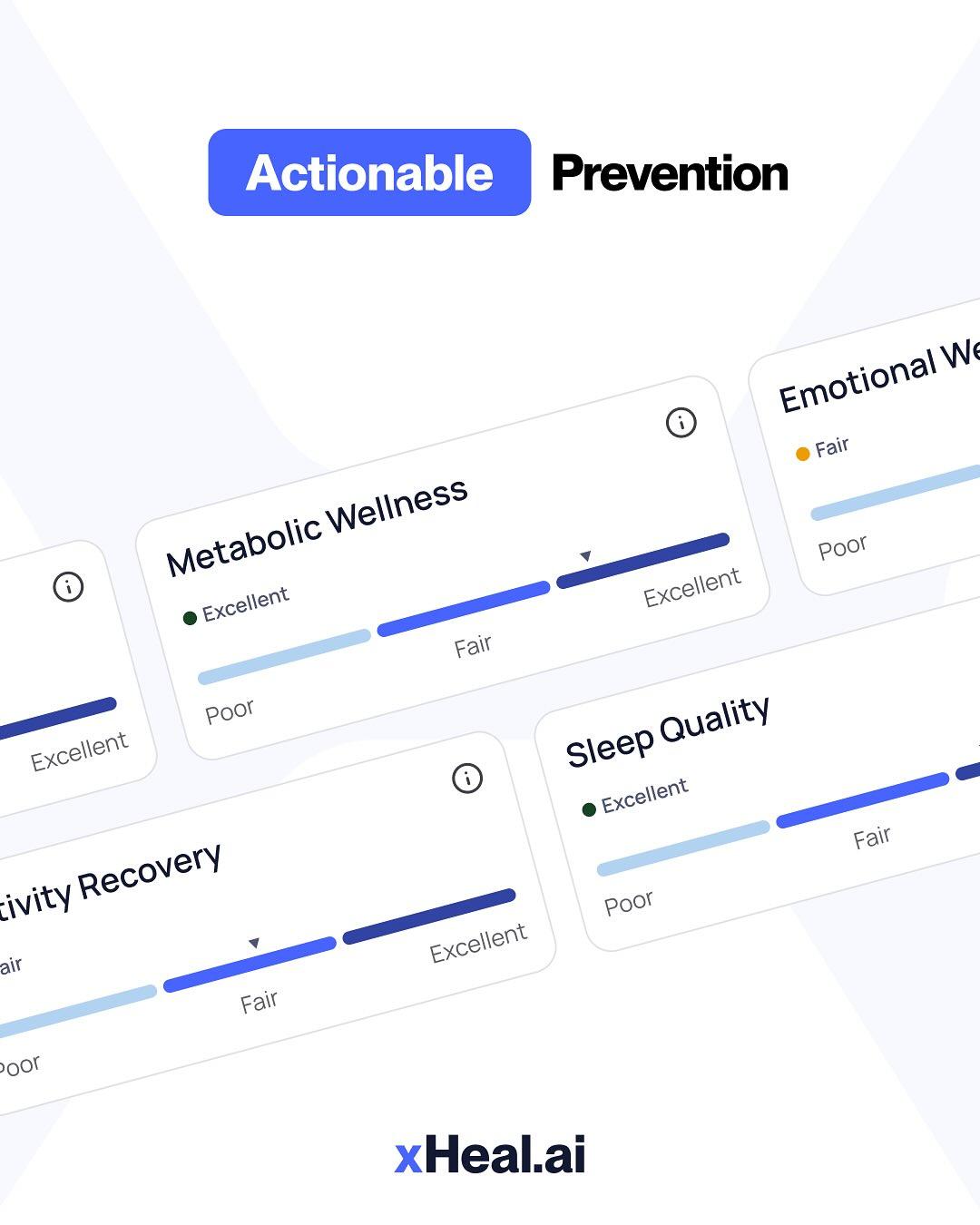
I Felt Perfectly Healthy. My Data Said Otherwise.
How xHeal's pattern detection caught early insulin resistance before symptoms appeared, and the simple 12-week routine that reversed it.
 Trifon Getsov·Nov 02, 2025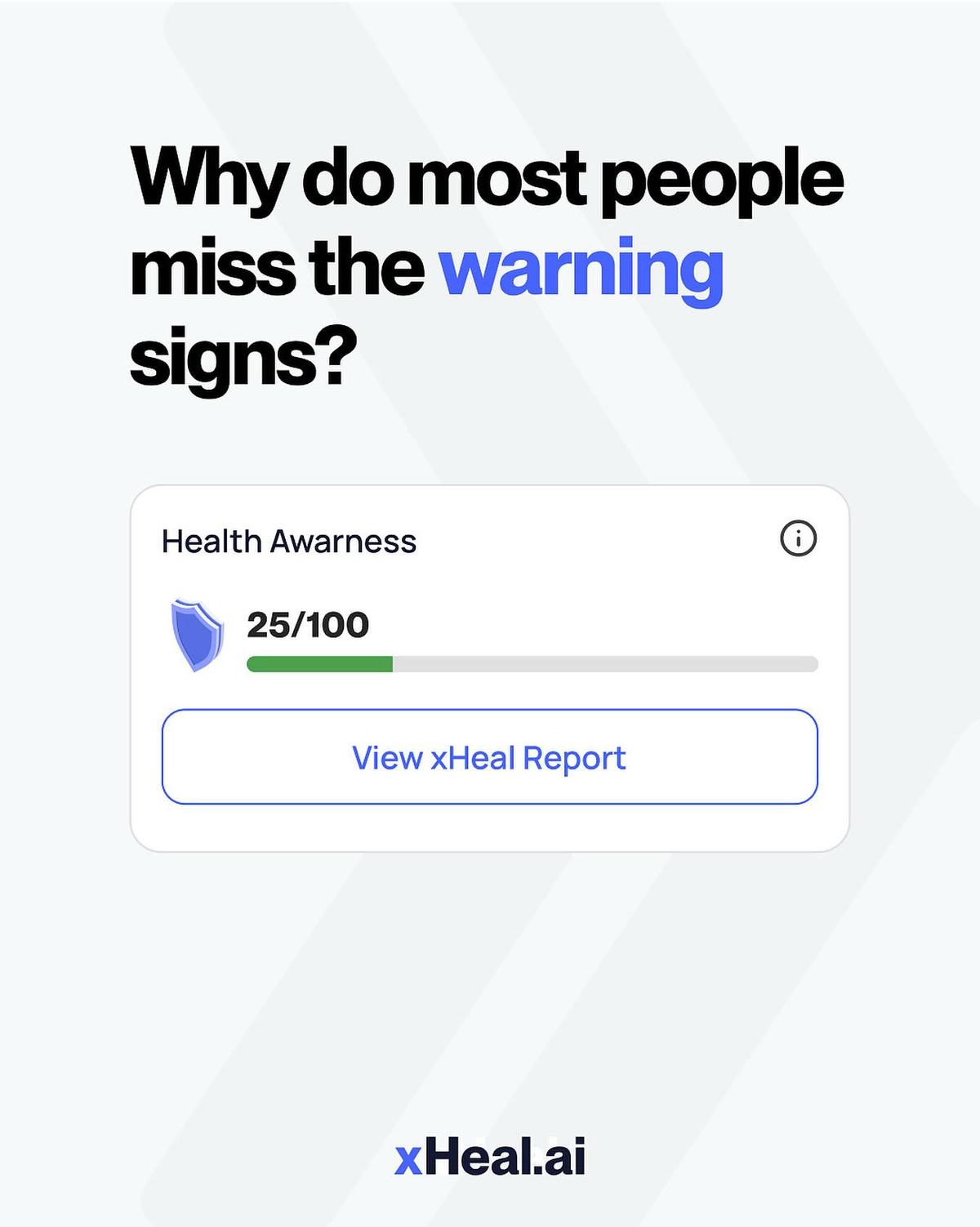
The Lab Tests My Doctor Never Ordered (And Why They Changed Everything)
How xHeal analyzed my symptoms and lifestyle data to recommend specific tests beyond standard panels, revealing a health story my routine bloodwork completely missed.
Trifon Getsov·Nov 02, 2025
Signs a Flare-Up Is Coming: What Your Body Shows 48 Hours Before
Your body sends warning signals days before symptoms hit. Here's what the research says about early detection, and how connecting your data can help you prepare.
Trifon Getsov·Feb 20, 2026