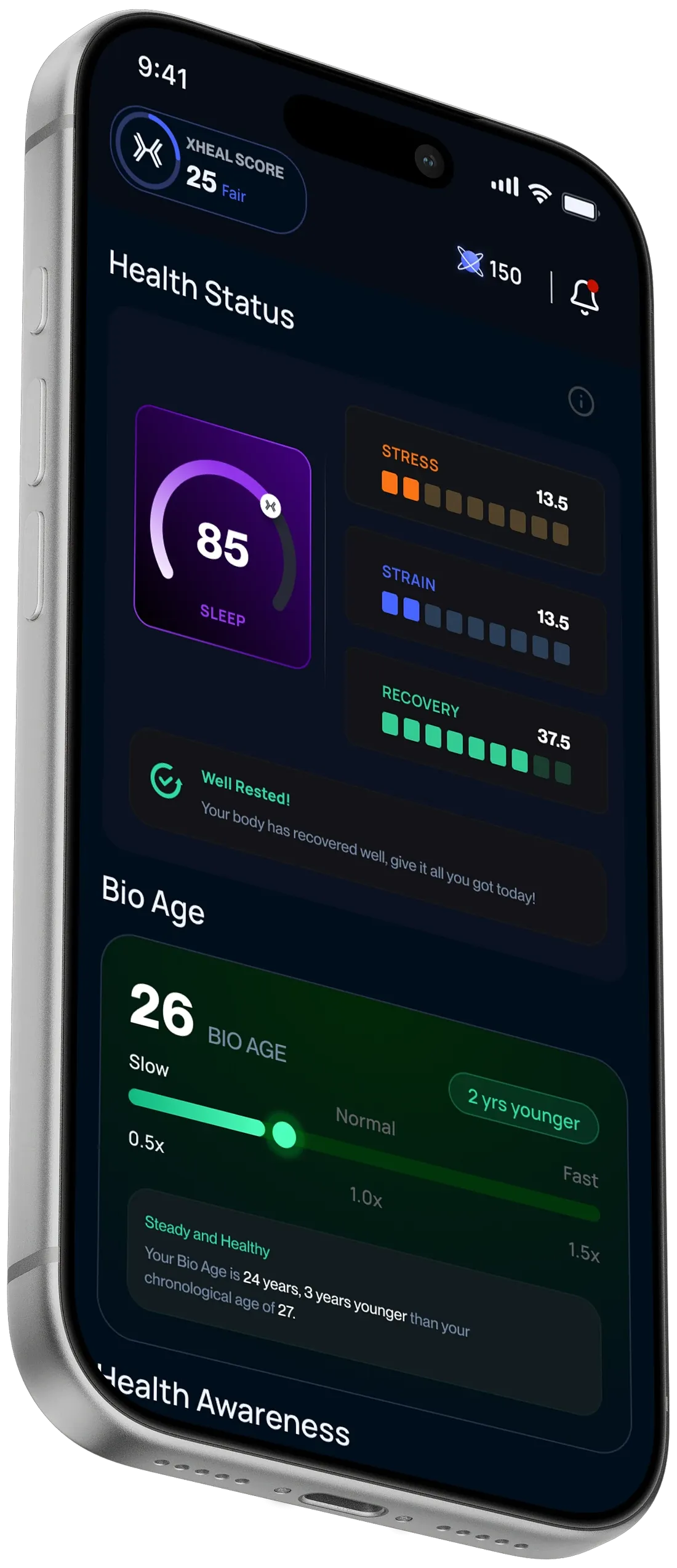
A Lab Result I Wanted to Understand: My xHeal Story
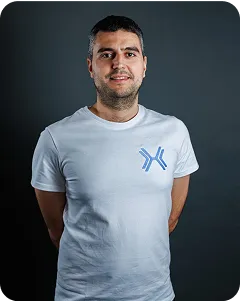
About this account: I am Trifon Getsov, xHeal's co-founder. This is my personal experience during beta testing, not a clinical study or a demonstration that xHeal diagnoses insulin resistance.
I felt well and was exercising regularly. A conversation with xHeal prompted me to look more closely at insulin-resistance markers and follow up on my lab results.
A result that raised a question
xHeal prompted a question about HOMA-IR, an estimate based on fasting glucose and insulin. It was something I wanted to understand in the context of my own results.
My HOMA-IR result was 3.83. That gave me a specific result to discuss, rather than a reason to diagnose myself from wearable trends. HOMA-IR does not have one universal diagnostic threshold; interpretation depends on the testing context and professional assessment.
The useful step for me was following up the question. I cannot know what would have happened without the app or when another route would have led me to the same result.
Changes I recorded in my routine
I used xHeal to help organize changes I wanted to track. My focus areas were:
- Meals and walking: I shifted my largest meal earlier and added a post-meal walk.
- Exercise: I replaced some cardio sessions with resistance training.
- Stress: I added a breathing practice and kept track of changes in my routine.
Looking back at my records
I recorded a later HOMA-IR result of 2.0, about twelve weeks after the first result of 3.83. These are numbers from my personal account. They do not establish which change contributed, whether the app caused a change, or what another person's results would be.
For me, keeping the result and the dates together made the follow-up easier to describe. The clinical meaning belongs in a conversation with a qualified professional.
What I want readers to take from this
Start with a question, keep the original results and discuss them with your care team. More information is useful when its source and limits remain clear.
xHeal brings the records, trends and notes you choose to add together. See a fictional appointment summary for a practical example of that workflow.
Frequently asked questions
What is early insulin resistance and how is it detected?
Insulin resistance involves a reduced response to insulin. A qualified professional can decide which assessment is appropriate. A HOMA-IR value or a wearable trend alone does not establish a diagnosis, and a single cutoff does not apply universally.
Does this account show that xHeal treats insulin resistance?
No. This is one founder's personal experience, not a controlled study of a treatment or the app. Discuss test interpretation and any changes to your care with a qualified professional.
How can wearable data connect to metabolic health?
Wearable trends can add activity and sleep context to a care conversation. They do not substitute for clinical assessment or the appropriate laboratory tests. Keep device estimates and laboratory measurements distinct.
Medical disclaimer: This content is for informational purposes only and does not constitute medical advice. Always consult your healthcare provider before making changes to your health routine, medications, or treatment plan. xHeal is a health tracking and awareness tool, not a diagnostic or treatment platform.
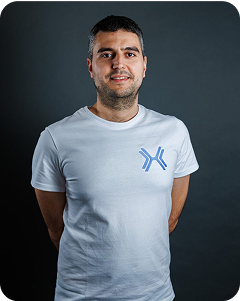
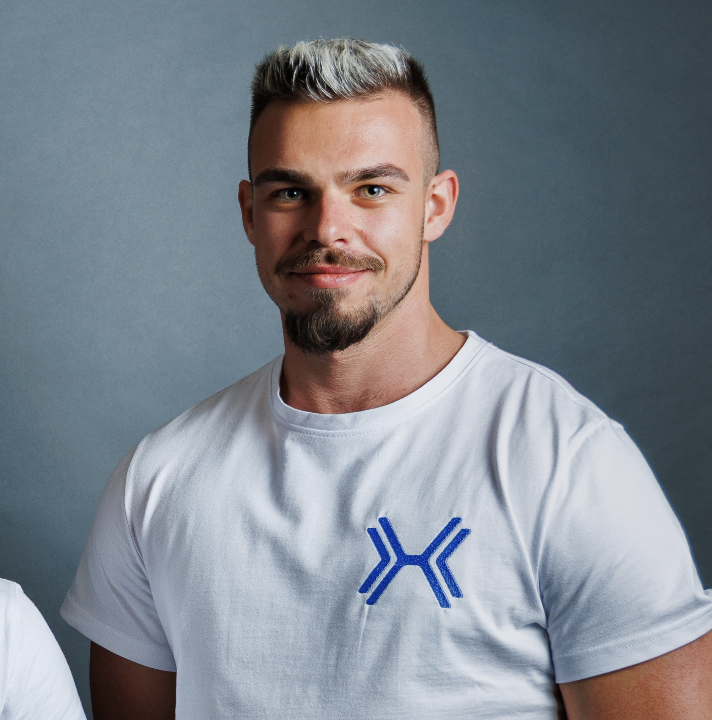
CEO and co-founder of xHeal. His four-year search for answers about his own health led him to build a clearer way to connect health records, wearable trends and everyday observations. He writes from his experience as a founder and xHeal user.
View full bio →Keep reading
6 Lab Tests Your Annual Checkup Misses (And Why They Matter)
Standard bloodwork covers about 20 markers. Your body has over 200 that tell meaningful stories. Here are the most commonly missed tests and what they can reveal.
Trifon GetsovFeb 06, 2026
The Lab Tests My Doctor Never Ordered (And Why They Changed Everything)
How xHeal analyzed my symptoms and lifestyle data to recommend specific tests beyond standard panels, revealing a health story my routine bloodwork completely missed.
Trifon GetsovNov 02, 2025
I Thought My Headaches Were Stress. xHeal Told Me to Check My Eyes.
After a month of recurring headaches and red eyes, xHeal connected my symptoms with my daily patterns and prompted an eye exam that confirmed I needed vision correction.
 Kalin StoevApr 04, 2026