Five Things to Record Around a Symptom Flare

After a symptom flare, it can be difficult to remember what happened in the surrounding days. These five kinds of context can help you describe the history to your care team. They are things to record, not a list of established triggers for every person or condition.
1. Sleep duration and how you felt
You slept eight hours. You should feel great, right? Not necessarily. Sleep continuity and quality add information that total hours alone can miss. A systematic review and meta-analysis found that sleep disturbance was associated with higher CRP and IL-6 levels, but it did not establish a universal sleep-efficiency threshold or a short-term flare risk.
Keep your own description of sleep alongside any device estimate. Wearable sleep stages are estimates, and neither they nor total hours can explain a symptom on their own.
2. Environmental changes you suspect may be relevant
Some people with rheumatoid arthritis report weather-sensitive pain, but the evidence is mixed and effects vary between individuals. A daily diary study of 75 patients found small associations between weather variables and pain that were not clinically meaningful.
If you suspect a weather relationship, tracking conditions alongside symptoms over several months can help you test whether the pattern is meaningful for you rather than assuming pressure changes affect everyone.
3. Stress and changes in routine
Record how you felt and any changes in work, travel or daily routine. Stress and symptoms may overlap, but timing alone cannot establish why an episode occurred.
There is no universal number of stressful days that predicts a flare. Use dated notes to ask about possible explanations instead of treating a weekend episode as proof of a particular mechanism.
4. Medication details and recent changes
Keep names, doses and instructions current. Record missed doses or changes you want to ask about, without changing a schedule based on a chart or an AI explanation.
Your prescriber or pharmacist can explain timing, food instructions and what to do about a missed dose for the specific medicine.
5. Supplements and over-the-counter products
Include supplements and over-the-counter products in the list you bring to a visit. Their ingredients, doses and timing may matter when a professional checks for interactions.
An app cannot rule out an interaction from symptom timing. Ask your pharmacist or prescriber to review the actual products you take.
Bring the history together
A simple, consistent record helps you remember what happened. Note symptoms and relevant changes without assuming every association is a trigger.
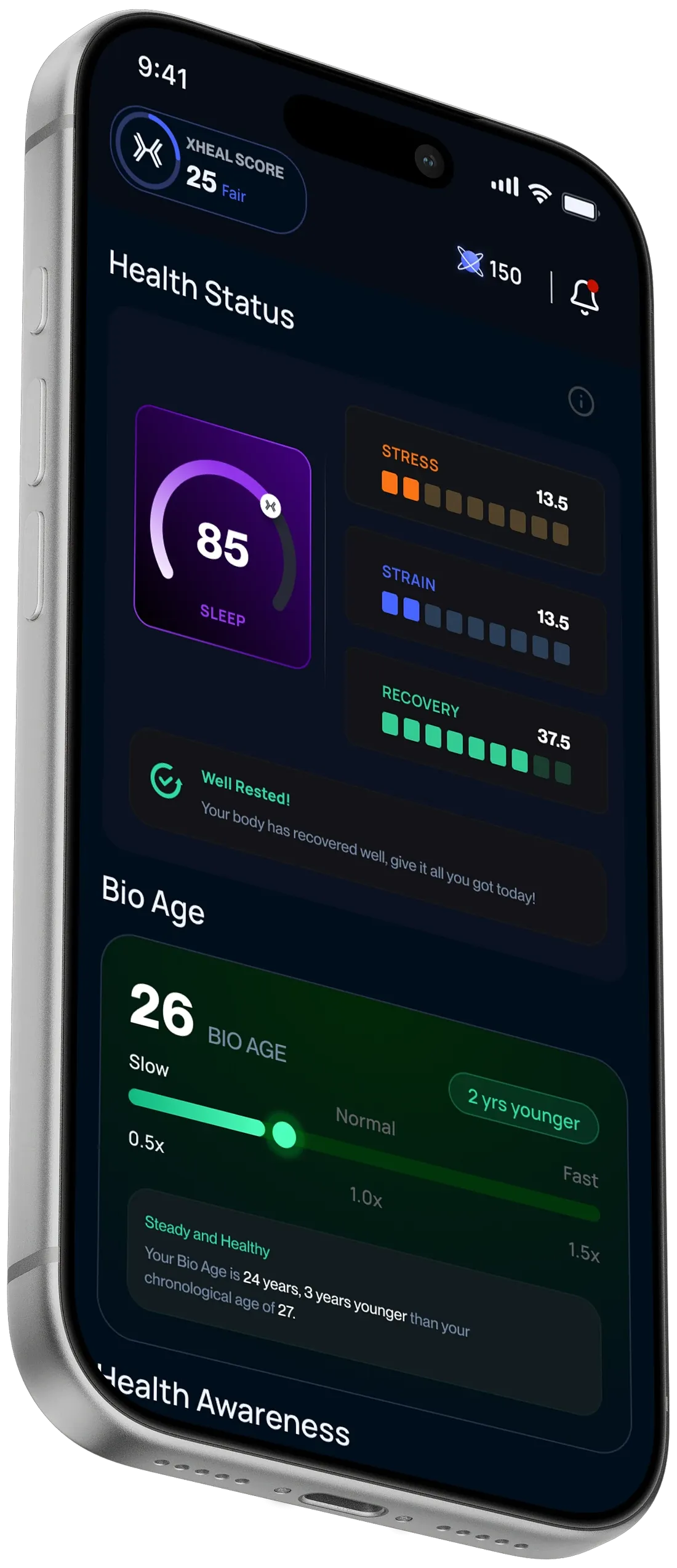
See symptom tracking in xHeal and prepare the questions you want to bring to your next appointment.
Frequently asked questions
What should I record around a flare?
Record symptoms, dates, their impact and relevant changes in sleep, routine or medication. Keep uncertain dates and suspected associations distinct from confirmed facts.
How does barometric pressure cause flare-ups?
Some people report weather-sensitive pain, but research in rheumatoid arthritis has found only small average associations that were not clinically meaningful, with substantial differences between individuals. Track weather and symptoms together before treating pressure as one of your personal triggers.
Can medication timing cause flare-ups?
Medication instructions are specific to the treatment and the person. Record your schedule and questions, then ask your prescriber or pharmacist. Do not change timing or dose based on a symptom chart alone.
Why does sleep quality matter more than sleep duration for flare prevention?
Sleep duration alone can miss fragmented or poor-quality sleep. A systematic review found associations between sleep disturbance and higher inflammatory markers, but research has not established a universal wearable sleep-efficiency cutoff that predicts a flare.
Medical disclaimer: This content is for informational purposes only and does not constitute medical advice. Always consult your healthcare provider before making changes to your health routine, medications, or treatment plan. xHeal is a health tracking and awareness tool, not a diagnostic or treatment platform.
CEO and co-founder of xHeal. His four-year search for answers about his own health led him to build a clearer way to connect health records, wearable trends and everyday observations. He writes from his experience as a founder and xHeal user.
View full bio →Keep reading

Flare-Up Warning Signs: Wearable Research and Its Limits
Research has found changes around some rheumatoid arthritis flares. Learn why these findings do not establish a prediction window and how to keep useful symptom context.
Trifon GetsovFeb 20, 2026
The Sleep-Stress-Nutrition Triangle: Why Tracking One Metric Isn't Enough
Your sleep affects your stress. Your stress affects your nutrition. Your nutrition affects your sleep. Here's why the cycle matters and how to break it.
Trifon GetsovFeb 12, 2026Chronic Condition Management: The Complete Data-Driven Guide
Organize symptom notes, wearable trends and source records to support conversations about a chronic condition, with clear limits on what tracking can show.
Trifon GetsovMar 26, 2026