How to Know If You're Overtraining: What My Data Showed Before My Body Did


Six days a week. Two-a-days on Tuesdays and Thursdays. I was convinced that more volume meant more progress. My Apple Watch showed I was crushing my activity rings. My training app said I was hitting PRs. Everything looked great on paper.
But my actual performance was declining. Runs that felt easy three months ago now felt heavy. Weights I'd been lifting comfortably were suddenly grinding. I blamed sleep, blamed nutrition, blamed stress. I never blamed the training itself.
The overtraining warning signs I was ignoring in my data
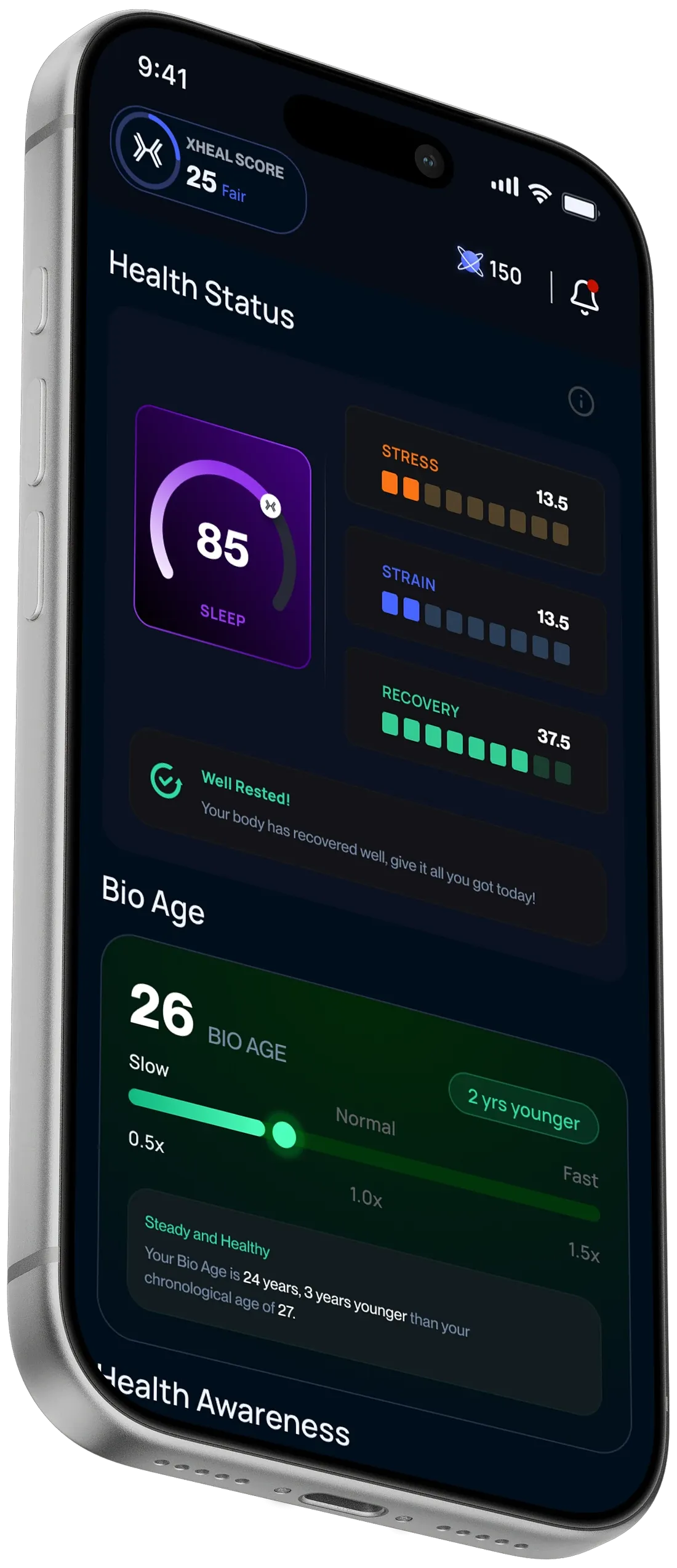
When I connected my wearable data, training logs, and daily tracking into xHeal, the trend was unmistakable. Over the previous eight weeks:
- My HRV had dropped 18% (a steady decline I hadn't noticed because I was only checking daily numbers, not the trend)
- My resting heart rate had climbed from 52 to 59 BPM
- My deep sleep percentage had fallen from 22% to 14%
- My recovery scores were consistently below baseline on training days
Individually, each metric was "fine." I wasn't in any danger zone. But the trend across all four metrics, declining simultaneously over weeks, painted a clear picture of accumulated fatigue.
How I reduced training volume and improved performance
Based on the pattern, I made three changes:
- Reduced training to four days per week (eliminating the two-a-days entirely)
- Added a structured deload week every fourth week (50% volume)
- Prioritized recovery metrics over activity metrics (my new goal was HRV recovery, not ring closure)
The shift felt wrong at first. Training less goes against every instinct when you're trying to improve. But the data was clear.
The results: better performance from less training
Within three weeks, my HRV returned to baseline. Deep sleep rebounded. Resting heart rate dropped back to 53. And the surprise: my performance improved despite less training volume. I set a new 5K PR in week five of the reduced program.
This is my own account of reviewing training and recovery. It does not establish that a particular app, metric or training change would produce the same result for someone else.
What overtraining data teaches you about recovery
Activity data tells you what you did. Recovery data tells you what you can handle. Most fitness trackers excel at the first and ignore the second. The result is a culture that celebrates doing more without measuring whether more is actually helping.
Your body keeps score. The question is whether you're reading it.
Frequently asked questions
How do I know if I'm overtraining vs just tired?
Ordinary tiredness recovers after one or two rest days. Overtraining shows up as a multi-week trend: HRV declining steadily, resting heart rate creeping up, deep sleep percentage falling, and performance degrading despite consistent effort. A single bad day is noise; three to four weeks of all metrics moving in the same direction is a signal. The distinction matters because training through real overtraining makes it worse.
What metrics show overtraining first?
Changes in training performance, how you feel and wearable trends can be worth discussing. HRV, resting heart rate and sleep estimates have no universal threshold that diagnoses overtraining. Keep source dates and training details with your questions.
How long does it take to recover from overtraining?
Recovery depends on the cause and individual circumstances. Persistent fatigue or declining performance deserves professional assessment. Agree changes to training and a return plan with the appropriate professional rather than relying on a score or a fixed timetable.
Can you improve performance by training less?
Yes. When you're overtrained, the performance gains from training come during recovery, not during the workout itself. When recovery is chronically insufficient, you accumulate fatigue faster than you build adaptation. Reducing volume while prioritizing recovery quality (sleep, nutrition, stress management) often leads to performance improvements within weeks, as the experience in this article demonstrated with a new 5K PR on reduced training volume.
Medical disclaimer: This content is for informational purposes only and does not constitute medical advice. Always consult your healthcare provider before making changes to your health routine, medications, or treatment plan. xHeal is a health tracking and awareness tool, not a diagnostic or treatment platform.
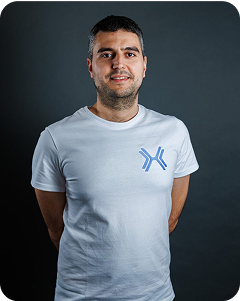
CEO and co-founder of xHeal. His four-year search for answers about his own health led him to build a clearer way to connect health records, wearable trends and everyday observations. He writes from his experience as a founder and xHeal user.
View full bio →Keep reading

What Does HRV Mean? Heart Rate Variability Explained for Real People
Learn what heart rate variability measures, why your own baseline matters and where wearable trends fall short.
Trifon GetsovFeb 10, 2026
The Sleep-Stress-Nutrition Triangle: Why Tracking One Metric Isn't Enough
Your sleep affects your stress. Your stress affects your nutrition. Your nutrition affects your sleep. Here's why the cycle matters and how to break it.
Trifon GetsovFeb 12, 2026Understanding Your Health Data: A Complete Guide to Wearables, Labs, and What It All Means
Your Apple Watch, lab results, and symptom logs are all telling a story. Here is how to read it, connect the pieces, and turn raw numbers into decisions that actually improve your health.
Trifon GetsovMar 26, 2026