They Wanted Their Own Version: xHeal at the Health Optimisation Summit

Three days. More than 230 demos. One question that came back again and again.
In September, the whole xHeal team ran booth B57 at the Health Optimisation Summit in London, at the Business Design Centre in Islington. Around 4,250 people came through the event, alongside 141 brands and more than 60 speakers.
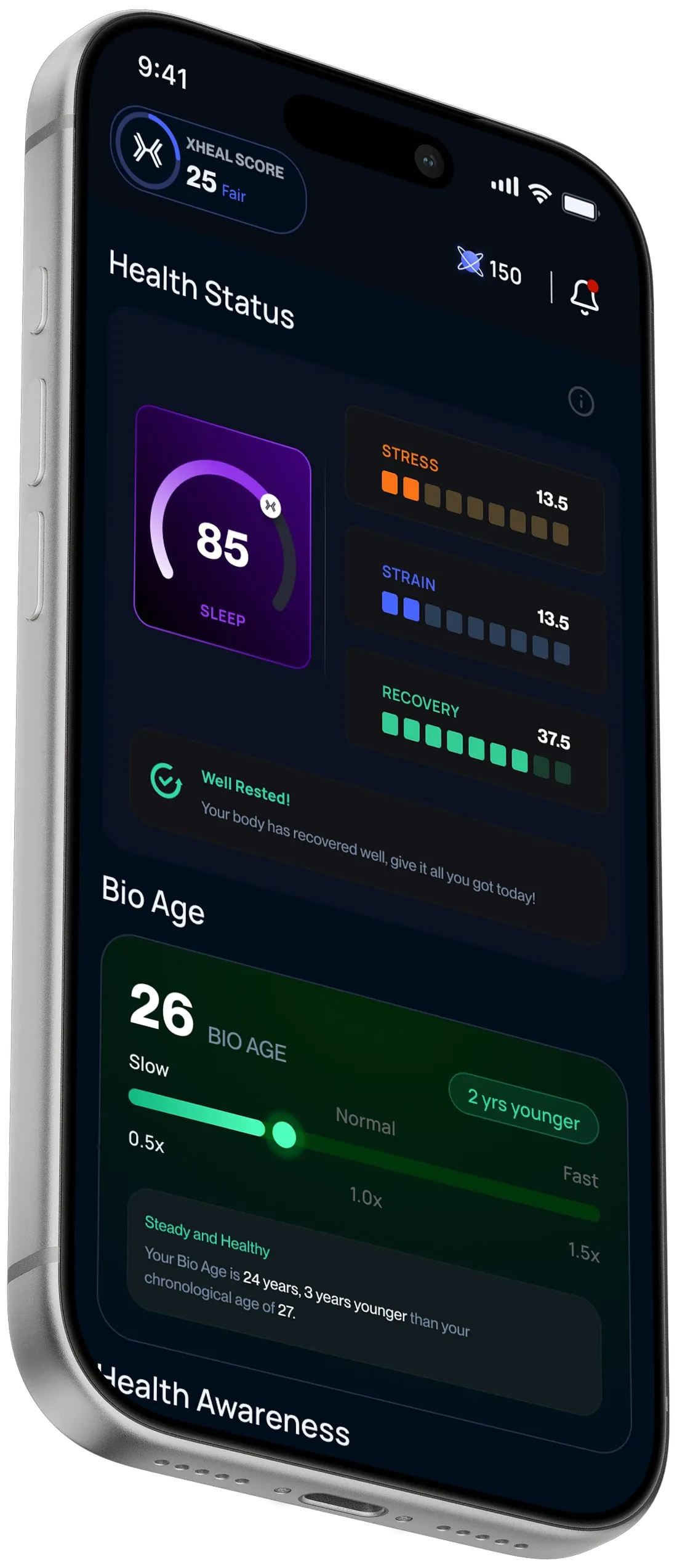
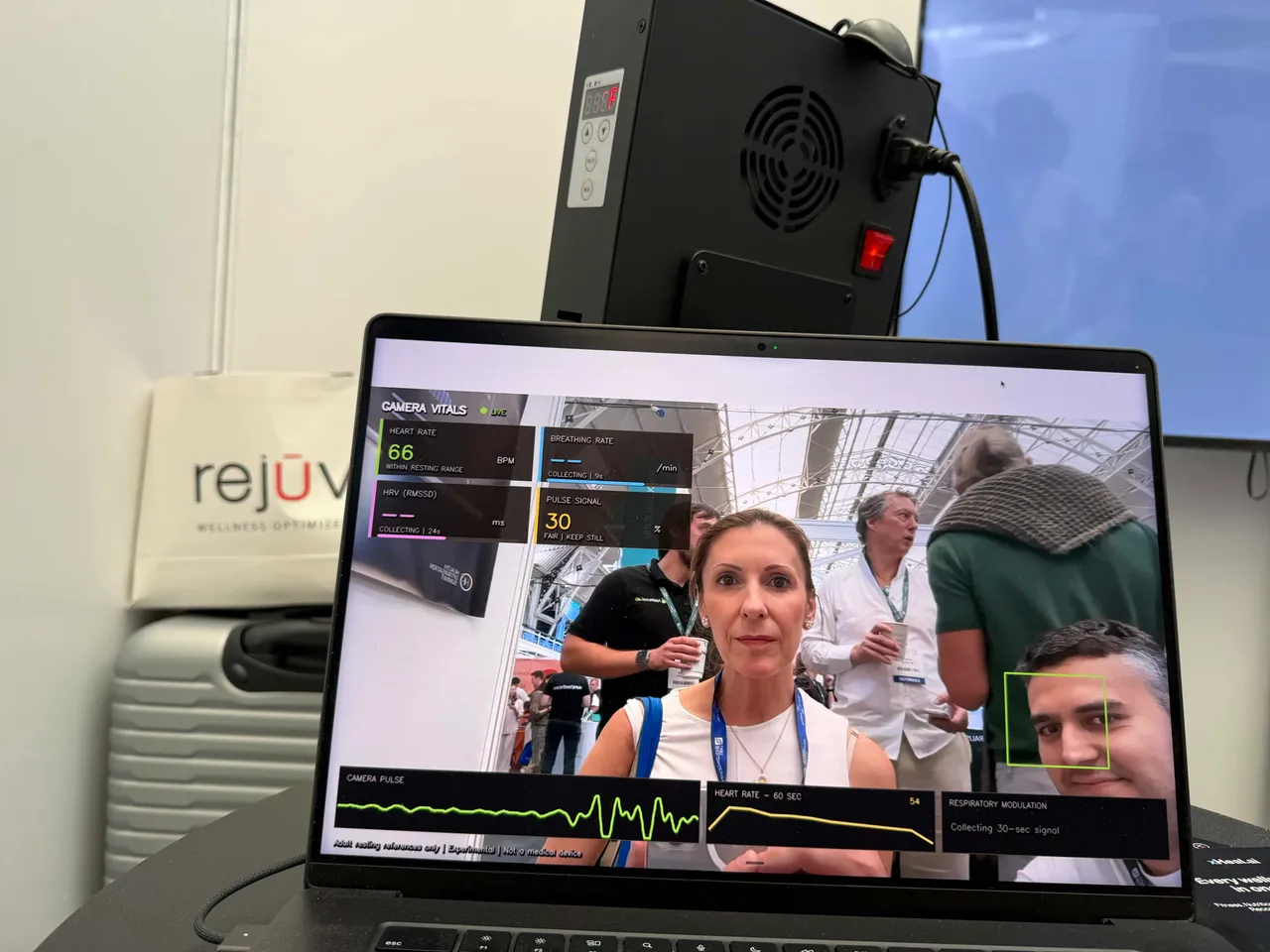
On the stand, we had the client app, Provider Workspace, and a live camera-based vitals demonstration. Visitors could sit down and try a demonstration of heart rate, breathing rate, and HRV measurement from a laptop camera. It was a conversation starter on the stand, not a claim that the mobile app provides a diagnostic measurement.
We wanted to understand whether a clinic would put xHeal in front of its own clients. The conversations quickly moved beyond trying an app.
The booth was the right room
The event ran across three days. Friday 11 September was the first Business of Health Day, a smaller gathering capped at 150 tickets for founders, investors, and operators. The main Summit followed on Saturday and Sunday.
We spent our time on the exhibitor floor. That turned out to be the right place to learn. Practitioners stopped at the stand with a practical question: would this make their work better?
A live demo lets someone test that question against the way their practice already works. They can ask where a lab report goes, what the client shares, and what happens after the consultation.
The rest of the floor
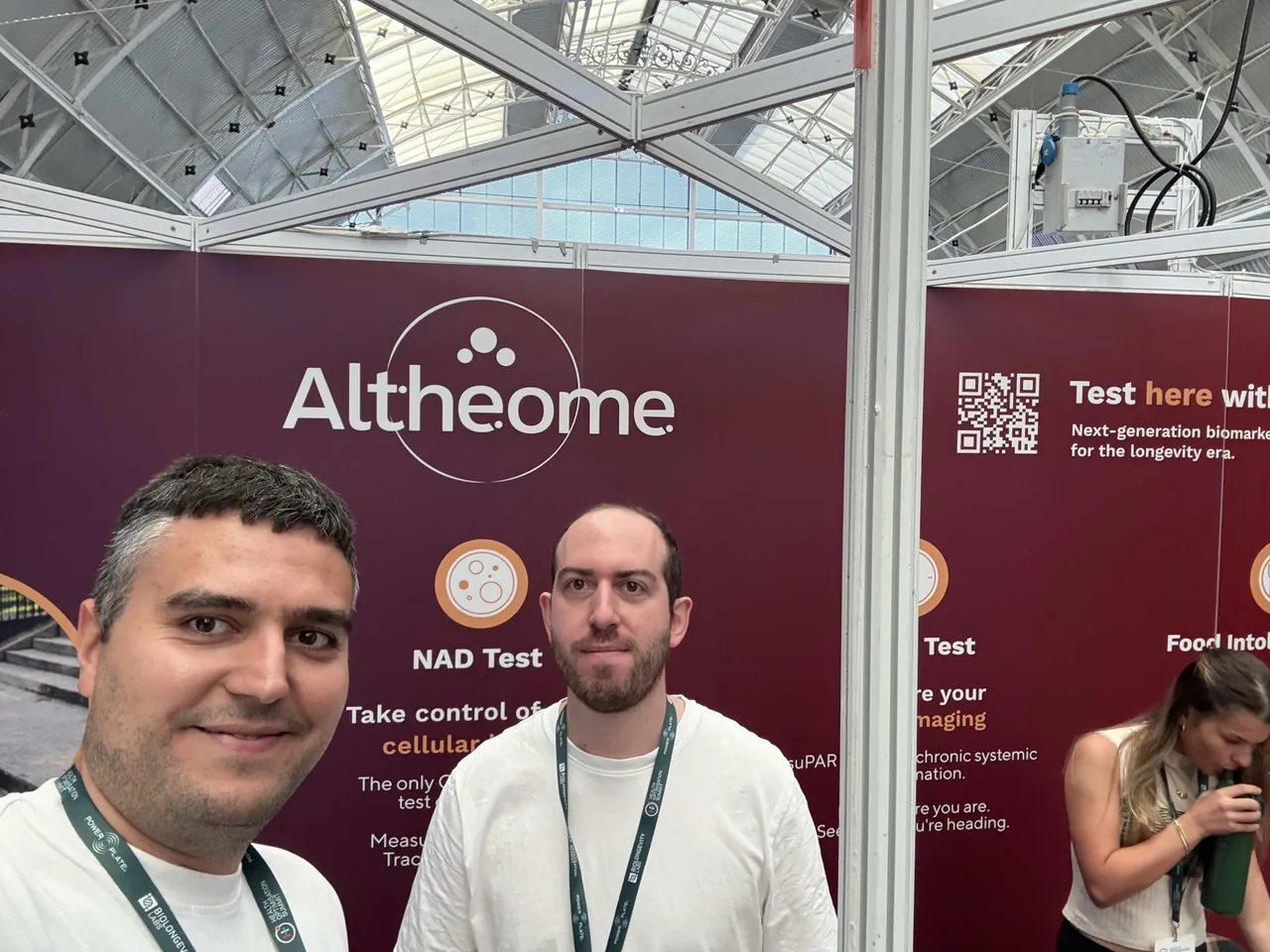
We met teams working across diagnostics, nutrition, hardware, and clinical services. Among those we photographed were Altheome, OMNI-BiOTiC, Better Guts, OneDevice, and NutriZen Wellness Centre.
They were approaching health from different directions. Talking with them helped us see where a shared health history could fit alongside the products and services people already use. Meeting a team at the event does not imply a partnership or an endorsement of its products.
The question was not about the app
The recurring question was not how many biomarkers xHeal tracks. It was closer to: could our clinic use this infrastructure under our own brand, with the clients we already have?
That is why xHeal has two connected experiences. A person uses the app to bring records, wearable data, symptom notes, and everyday context into a dated history. A practice uses Provider Workspace to work with the context the client has agreed to share.
We had introduced the workspace a few weeks before the Summit, so we could show the workflow rather than describe a future feature. The important part was the loop: a client records information, shares selected context for an appointment, and receives documents and results back from the practice.
Why choosing what to share mattered
Practitioners recognised the consent boundary immediately. A client may not want to share everything. A practice needs to know which records and notes it can actually review.
With xHeal, the client makes that choice per appointment. The practice works with the agreed context rather than assuming blanket access. That makes the boundary something a practitioner can explain to the person in front of them.
We explain the process in our Provider Workspace introduction. What London added was direct feedback: practitioners reached for this part of the demo without needing a long explanation.
What the follow-up requests told us
Several serious conversations ended with requests for our master service agreement and NDA template. Those requests were not signed partnerships, and we are not presenting them as such. They showed that organisations were evaluating how they might work with the product commercially.
Other questions exposed work we still needed to clarify. How would xHeal fit beside software a practice already runs? What would white-label setup involve? Who would handle onboarding and support?
We did not have every answer on the stand. Those are questions for detailed follow-up, not promises to improvise during a trade show.
What comes after London
The consistent request was for a health picture that a client can keep and a practice can contribute to, without losing the client's control over their information. The Summit helped us understand how practitioners describe that need in their own words.
Thank you to Tim Gray and everyone at Health Optimisation, and to our team for three days of demos. If your practice wants to explore the workflow, book a Provider Workspace demo and we will walk through it against the way you work.
Medical disclaimer: This content is for informational purposes only and does not constitute medical advice. Always consult your healthcare provider before making changes to your health routine, medications, or treatment plan. xHeal is a health tracking and awareness tool, not a diagnostic or treatment platform.
Keep reading
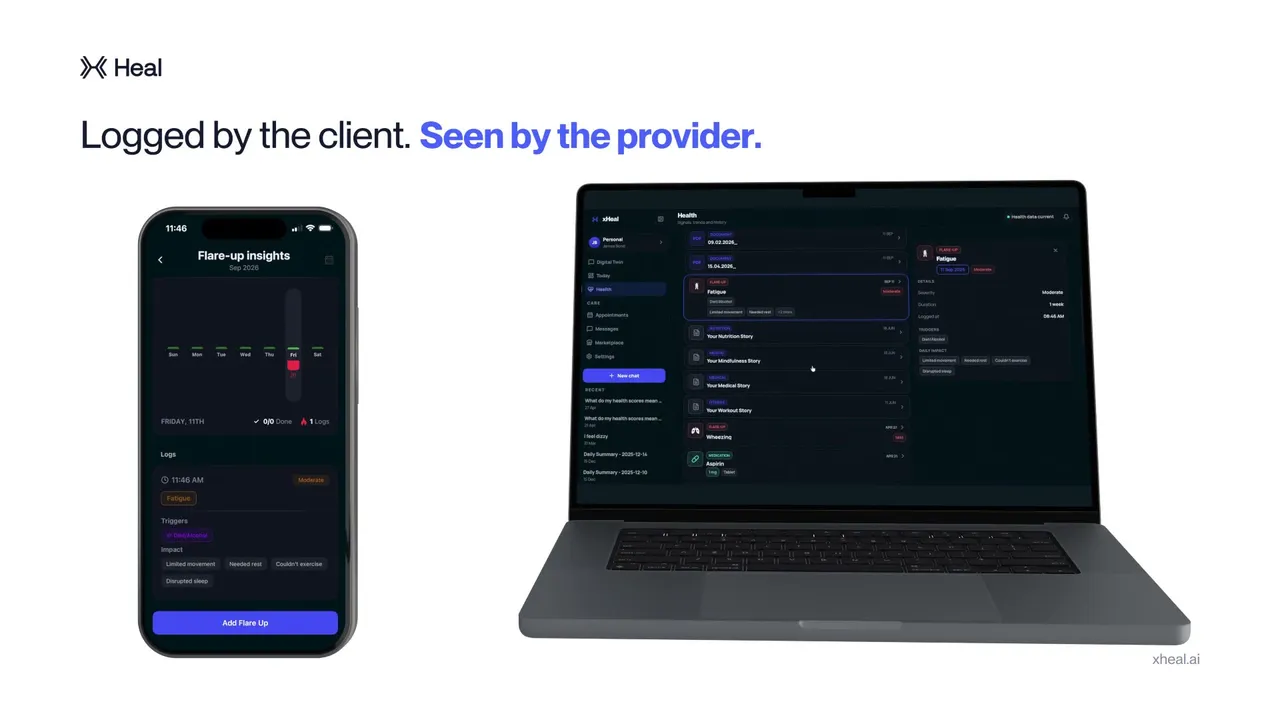
xHeal Now Has a Provider Side: Introducing Provider Workspace
Review the health context a client chooses to share, send documents back, and manage services and bookings in the practice-facing side of xHeal.
xHeal TeamAug 28, 2026
Around 80 Demos in One Day: xHeal at Sacred Vitality
A day at the Royal Society of Medicine, around 80 demos, and conversations about how the xHeal app and Provider Workspace fit into everyday care.
 Kalin StoevOct 7, 2026
xHeal v2 Launches on iOS in the EU and US
The new xHeal experience brings your daily Snapshot, routines, Timeline, chat, reports, nutrition, workouts, and mindfulness into one iOS app.
xHeal TeamJul 20, 2026